Core Standard 2 – Health and Hygiene Standards
The primary purpose of this Care Standard is to maintain a clean, hygienic environment that promotes the health of the children and the entire family. This document establishes strict protocols to prevent the spread of illness, ensure the sanitation of living spaces and equipment, and manage health-related incidents effectively. Our goal is to minimize health risks through proactive hygiene management.
This Care Standard applies to all domestic helpers residing within the employer’s house. It covers:
- Personal Hygiene: Requirements for the helper’s personal cleanliness and health.
- Childcare Tasks: Hygiene protocols during diapering, feeding, and interaction with children.
- Environmental Hygiene: Cleaning and disinfection of all areas inside the home, including play areas, bathrooms, and kitchens.
- Illness Management: Procedures for handling sick children and preventing cross-contamination.
Responsibilities
As a domestic helper, you play a vital role in preventing illness. Your key responsibilities include:
- Strict Adherence to Hygiene: Consistently practicing high standards of personal hygiene, especially handwashing.
- Routine Disinfection: Regularly cleaning and sanitizing high-touch surfaces, toys, and childcare equipment.
- Infection Control: actively preventing the spread of germs by isolating sick individuals (per instructions) and managing bodily fluids safely.
- Health Monitoring: observing children for signs of illness and reporting them immediately.
- Safe Food Handling: Maintaining a hygienic kitchen environment during food preparation and storage.
Care Principles
To fulfill your responsibilities, you must adhere to the following key hygiene procedures:
Personal and Hand Hygiene
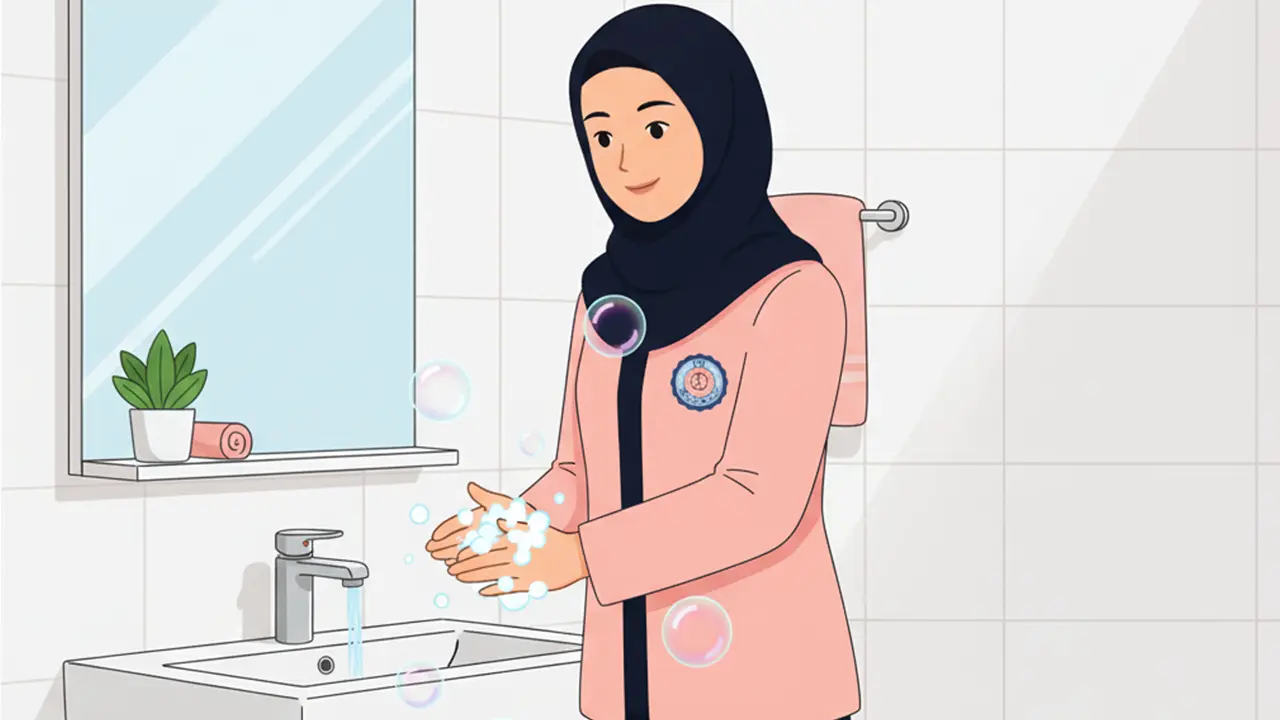
- Handwashing: Wash hands thoroughly with soap and warm water for at least 20 seconds:
- Before and after preparing food or feeding children.
- After using the toilet or changing diapers.
- After handling garbage or cleaning chemicals.
- After blowing your nose, coughing, or sneezing.
- Upon entering the house from outside.
- Helper’s Personal Hygiene: Maintain daily personal cleanliness. Keep fingernails short and clean. Ensure work clothes are laundered regularly.
Environmental Cleaning and Sanitization
- High-Touch Surfaces: Clean and disinfect door handles, light switches, remote controls, and stair railings daily using approved disinfectant wipes or sprays.
- Toys and Play Areas: Sanitize plastic toys and play mats weekly. Wash fabric toys and bedding as needed or weekly. Immediately clean any toy that has been in a sick child’s mouth.
- Bathroom Hygiene: Clean and disinfect toilets, sinks, and potty training equipment daily. Ensure towels are changed frequently and not shared between family members.
- Cross-Contamination Prevention: Use separate cleaning cloths/sponges for the bathroom, kitchen, and general areas. Color-code cloths if possible to avoid mistakes.
Childcare Hygiene Protocols
- Diaper Changing and Toileting: Use a changing mat that can be wiped down. Wear gloves if required by the employer. Clean the child thoroughly, dispose of the diaper in a sealed bin, disinfect the changing mat, and wash hands immediately after.
- Feeding Equipment: Wash bottles, nipples, pacifiers, and feeding utensils in hot, soapy water after every use. Sterilize them according to the manufacturer’s instructions (e.g., steam or boiling) daily or as directed.
- Laundry Management: Wash children’s clothes, bedding, and towels separately if requested. Use hypoallergenic detergent if the child has sensitive skin. Ensure items are completely dry before storing to prevent mold.
Illness and Infection Management
- Recognizing Illness: Be alert for signs of illness such as fever (hot to touch), vomiting, diarrhea, rashes, or unusual lethargy.
- Isolation: If a child appears sick, separate them from other children if possible and keep them comfortable until parents provide instructions.
- Bodily Fluids: When cleaning up vomit, blood, or diarrhea, wear gloves. Remove solid matter carefully, disinfect the area thoroughly with bleach solution or strong disinfectant, and double-bag the waste before disposal.
- Outbreak Protocols: During flu season or specific outbreaks (e.g., COVID-19), increase the frequency of surface disinfection and wear a mask if you or family members have symptoms.
Reporting and Documentation
Timely communication regarding health is critical.
- Immediate Reporting: Inform parents immediately if you notice:
- A temperature above 37.5°C (99.5°F).
- Vomiting or diarrhea.
- Unexplained rashes or skin infections.
- Any accidental ingestion of non-food items.
- Health Logs: If a child is sick, maintain a simple log tracking their temperature, medication given (exact time and dosage), fluid intake, and symptoms.
- Supply Reporting: Report low stocks of hygiene supplies (soap, sanitizer, diapers, cleaning products) to parents at least 3 days before they run out.
Training and Compliance
- Training Requirements: You must demonstrate an understanding of proper handwashing techniques and safe chemical handling. Training on specific sterilization machines or medical devices (if applicable) is mandatory before use.
- Compliance: Strict adherence to these hygiene standards is non-negotiable for the health of the family. Neglecting hygiene protocols, especially regarding handwashing and bottle sterilization, is a serious performance issue. Regular spot checks on cleanliness may be conducted.