
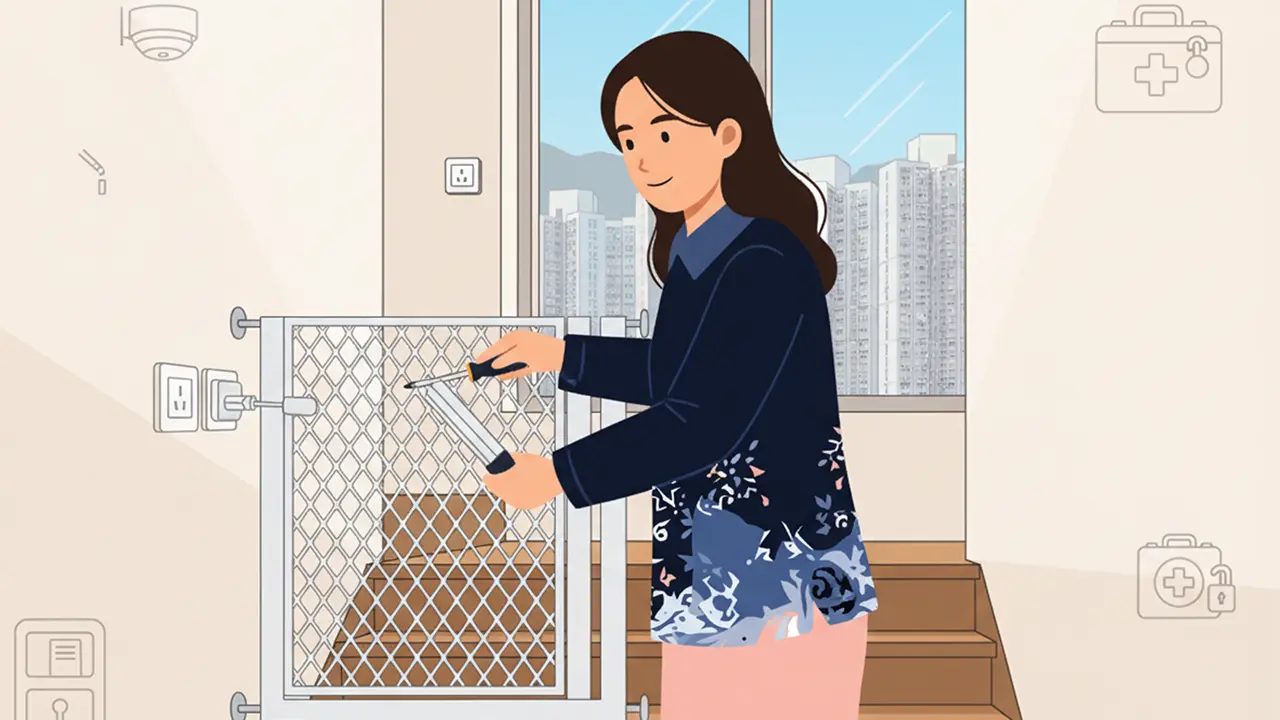
Core Standard 1: Child Safety and Risk Management
Purpose
The primary purpose of this Standard is to establish a clear and consistent framework for ensuring the safety and well-being of children under our care. This document details the essential practices for identifying potential risks, preventing accidents, and effectively responding to emergencies. Our goal is to create a secure environment where children are protected at all times, both inside and outside the home.
This Care Standard applies to all domestic helpers residing within the employer’s house. The procedures outlined herein cover all activities and environments where children are present, including all rooms within the home, outdoor areas such as yards and playgrounds, during transportation, and in public spaces.
Responsibilities
As a domestic helper, you have a critical responsibility for maintaining a safe environment for the children. Your key responsibilities include:
- Proactive Prevention: Continuously identify and address potential safety hazards in the child’s environment.
- Constant Supervision: Provide attentive and direct supervision of children, especially during high-risk activities like bathing, eating, and playing.
- Daily Safety Checks: Conduct routine safety inspections of the home and play areas to ensure they are free from hazards.
- Emergency Response: Act swiftly and correctly in the event of a medical emergency, fire, or other urgent situation, following the established emergency plans.
- Clear Communication: Report all safety concerns, incidents, and injuries to the parents promptly and accurately.
Procedures
To fulfill your responsibilities, you must adhere to the following key safety procedures:
Daily Environmental Safety
- General Home Safety: Before children begin their day, perform a safety sweep of living areas. Secure heavy furniture, cover electrical outlets, and ensure all cleaning products, medications, and other hazardous materials are locked away and out of reach.
- Hazard Removal: Be vigilant about small objects that pose a choking hazard (e.g., coins, small toy parts, certain foods) and remove them immediately.
- Structural Safety: Ensure that windows, balcony doors, and stair gates are securely latched. Never leave a child unattended near stairs, windows, or on balconies.
Activity-Specific Supervision
- Mealtime Safety: Check the temperature of food and drinks to prevent burns. Cut food into appropriate, bite-sized pieces to prevent choking. Supervise the use of utensils.
- Water Safety: Never leave a child unattended in or near water, including bathtubs, pools, or buckets. Maintain constant physical contact with infants and toddlers during bath time.
- Play Safety: Supervise all play, especially high-risk activities like cooking, crafts with scissors, or sports. Ensure playgrounds and equipment are safe and used correctly.
Safety Outside the Home
- Transport Safety: Always use the correct car seat for the child’s age and weight, ensuring it is properly installed. When walking, hold the child’s hand and use designated crosswalks. Be extra vigilant on public transport.
- Public and Stranger Safety: Keep children close in public places. Teach them about stranger safety according to the parents’ guidelines, but do not rely on this as your primary safety measure. Your supervision is key.
Emergency Response
- Medical Emergencies: Familiarize yourself with basic first aid for common childhood injuries (choking, falls, minor burns). Know the location of the first-aid kit and emergency contact numbers.
- Evacuation Plan: Understand the home’s emergency evacuation plan for fire or other crises. Know the designated meeting points and exit routes.
Reporting and Documentation
Clear and timely communication is essential for managing child safety.
- Immediate Reporting: All incidents, injuries, or significant safety concerns must be reported to the parents immediately via a phone call or text message. This includes falls, bumps, and any situation where first aid was administered.
- Incident Documentation: For any injury, complete an Incident Report Form. This form should include the child’s name, the date and time of the incident, a description of what happened, the actions taken, and who was notified. This document must be given to the parents on the same day.
- Safety Concerns: Report any potential hazards you identify (e.g., a broken toy, a loose railing) to the parents as soon as possible so they can be addressed.
Training and Compliance
- Mandatory Training: You are required to complete training on all procedures within this Standard, including first aid and emergency response protocols. Refresher training will be provided periodically.
- Compliance: Adherence to this Standard is mandatory. Your commitment to these procedures is fundamental to ensuring the safety of the children in your care. Regular reviews may be conducted to ensure compliance and update procedures as needed. Failure to follow these safety standards may result in disciplinary action.