
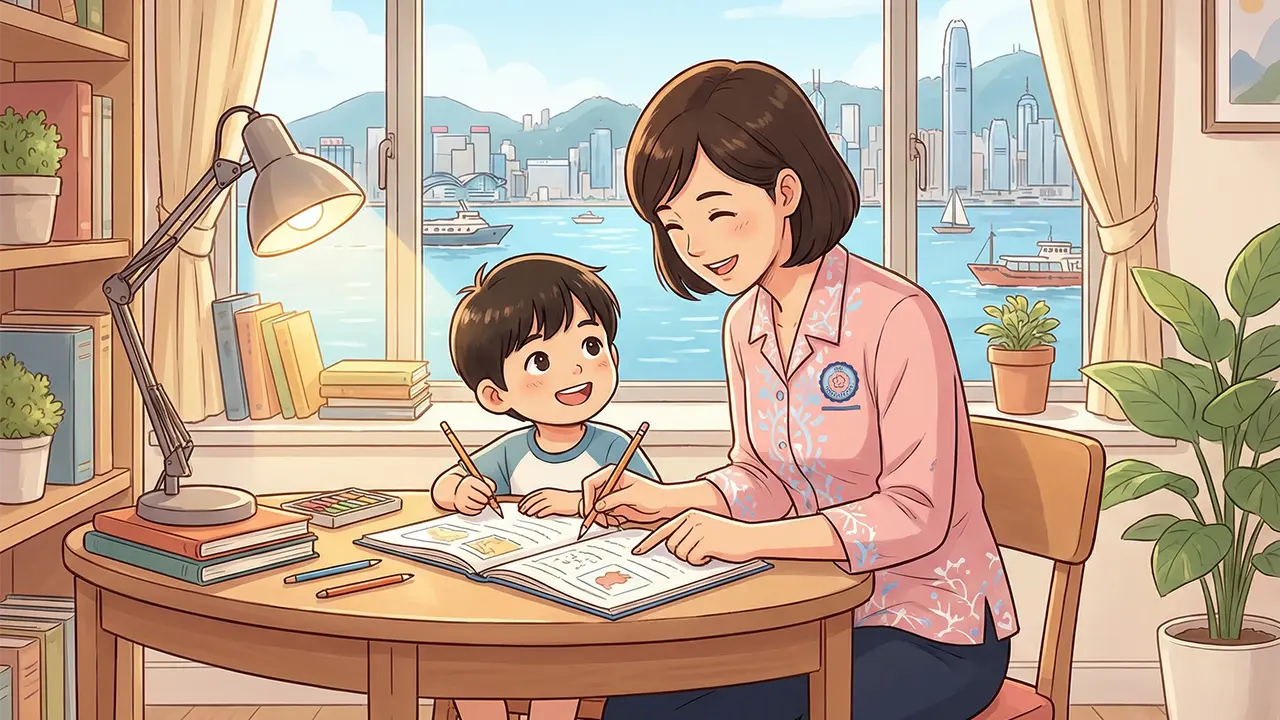
Advance Standard 6 – Child Development and Learning Support
This Care Standard outlines your role in supporting the physical, mental, and emotional growth of the children in your care. You are not just watching them to keep them safe; you are a partner in their development. Children’s brains grow through interaction, play, and exploration. By engaging with them through age-appropriate activities, conversation, and creative play, you help build the foundation for their future learning. Your goal is to create a rich environment where they can discover new skills and feel confident in their abilities.
Key Guidelines: Pillars of Growth
Development happens in many different areas at once. Your daily interactions should touch on these four key pillars.
Language Development (The Power of Words)
Children learn to speak and understand by listening to you.
- Narrate the Day: Talk about what you are doing, even if the child is too young to answer. “I am washing the blue cup. Now I am drying it.”
- Read Daily: Make books a part of the routine. Point to pictures and ask questions like, “Where is the dog?” or “What do you think will happen next?”
- Sing Songs: Rhymes and songs help children hear the rhythm of language.
Motor Skills (Moving the Body)
Children need to move to learn.
- Gross Motor Skills (Big Movements): Encourage running, climbing, jumping, and throwing balls. This builds strength and coordination.
- Fine Motor Skills (Small Movements): Provide activities that use the fingers and hands, such as drawing, threading beads, buttoning shirts, or playing with puzzles. This prepares them for writing.
Creativity and Imagination
Creativity is not about making a perfect painting; it is about thinking freely.
- Open-Ended Play: Give them simple items like blocks, boxes, or dress-up clothes. Let them decide how to play.
- Art and Music: Encourage drawing, coloring, and dancing. Focus on the fun of doing it, not the final result. Praise their effort: “I love how many colors you used!”
Social Skills
Playdates and group activities teach children how to interact with the world.
- Guidance: encourage sharing and taking turns.
- Modeling: Show them how to say “please,” “thank you,” and “sorry” by doing it yourself.
Practical Tips: Organizing the Day
A structured day helps children feel secure and ensures they get a mix of different activities.
Structured vs. Free Play
- Structured Play: Activities with a goal, like building a specific Lego set or finishing a puzzle. This teaches focus.
- Free Play: Time where the child chooses what to do. This fosters independence.
- Tip: Try to alternate. After a focused puzzle session, let them run around outside.
Following Parent-Approved Plans
You are the supporter, not the teacher.
- Homework Supervision: If the child has homework, sit near them to encourage focus. Do not do the work for them. If they are stuck, encourage them to try or make a note for the parents.
- Curriculum: Follow the parents’ instructions on what to teach (e.g., alphabet, numbers). Do not introduce new teaching methods without asking first.
Toy Rotation
If a child has too many toys out, they can get overwhelmed and bored.
- The Method: Keep only a few toys available on the shelf. Store the others in a closet.
- The Switch: Every week or two, swap the toys. Old toys will feel new and exciting again!
A Final Reminder: Balance and Screen Time
Learning is tiring work for a growing brain. Balance is essential.
- Limit Screen Time: TV and tablets should be used sparingly and only according to the parents’ rules. Passive watching does not help brain development as much as active play.
- Rest is Key: Ensure there is quiet time or nap time. A tired child cannot learn well.
- Observe and Report: Watch for milestones. If a child suddenly learns to tie their shoes or count to ten, celebrate it and tell the parents! If you notice they are struggling with something most children their age can do, mention it gently to the parents so they can decide if they need extra support.
By engaging with the child actively, you are giving them the best possible start in life.