
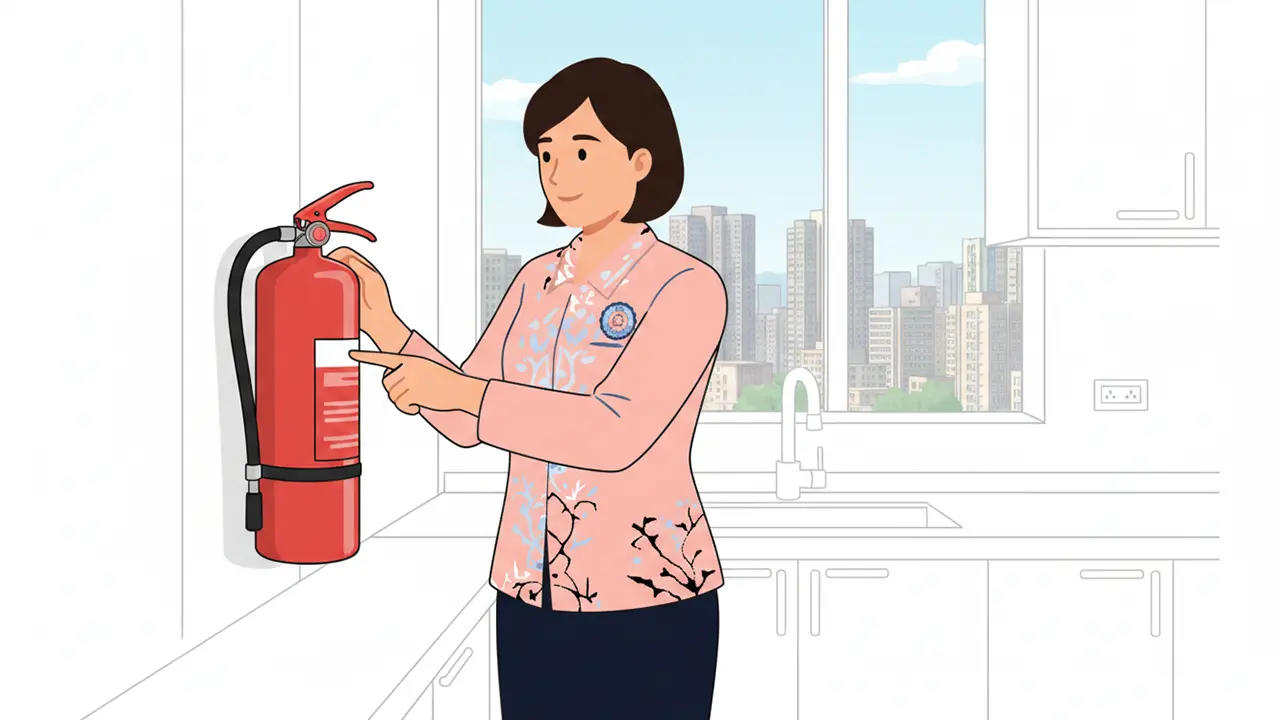
Advance Standard 8 – Adaptability and Emergency Preparedness
This Care Standard intends to establish a clear and professional framework for handling unexpected situations, adapting to diverse family needs, and responding effectively to emergencies. This Standard ensures the safety, well-being, and smooth operation of the household while maintaining professional standards under pressure.
This Standard applies to all live-in domestic support staff. It covers daily adaptability, schedule changes, medical and environmental emergencies, problem-solving, and managing special circumstances.
Key Procedures
Adapting to Parenting Styles and Household Rules
- Guideline: Every family is unique. Your primary role is to support the employer’s established rules and parenting philosophy, even if it differs from your own.
- Action Steps:
- Observe and Listen: During your initial weeks, pay close attention to how the parents interact with their children, manage discipline, and structure their day.
- Ask for Clarity: If a rule is unclear (e.g., screen time limits, snack policies), ask for specific instructions. Say, “To make sure I do it correctly, could you explain the rule for snacks after school?”
- Maintain Consistency: Apply the parents’ rules consistently, especially when they are not present. This builds trust.
- Avoid Contradiction: Never openly disagree with a parent’s decision in front of a child. If you have a concern, discuss it privately with your employer at a calm and appropriate time.
Managing Schedule Changes
- Guideline: Flexibility is a core professional skill. Schedules can change suddenly due to illness, work demands, or other unforeseen events.
- Action Steps:
- Acknowledge Promptly: When a schedule change is requested (e.g., late return, school holiday), confirm you have received and understood the new plan.
- Anticipate Needs: If a child is sick and stays home from school, proactively adjust the day’s plan. Prioritize the child’s comfort (quiet activities, simple food) over non-essential chores.
- Communicate Your Adjustments: Inform the employer of any necessary changes to your routine. For example, “Since Leo is home sick, I will focus on his care and postpone the deep cleaning of the living room until tomorrow.”
Handling Medical Emergencies
- Guideline: Your first duty is to the child’s safety. Stay calm and act methodically.
- Action Steps:
- Assess the Situation:
- Life-Threatening (Red Alert): Unconscious, not breathing, severe bleeding, seizure, major fall, suspected poisoning.
- Urgent (Yellow Alert): High fever, vomiting, minor cut that is controlled, possible sprain.
- Act Immediately (Red Alert):
- Call emergency services first (e.g., 999, 911).
- Provide your exact address clearly.
- Call your employer immediately after.
- Do not move the child unless they are in immediate danger (e.g., fire).
- Act Promptly (Yellow Alert):
- Call the employer first to report the situation using the FACTS method (First sentence, Action taken, Current Condition, Time, So what next?).
- Follow the employer’s instructions (e.g., go to the doctor, administer approved medicine).
- Know Your Information: Always have the child’s medical information (allergies, doctor’s name) and the home address readily available.
- Assess the Situation:
Responding to Environmental Emergencies (Fire, Natural Disaster)
- Guideline: Personal safety and the safety of the children are the only priorities. Do not stop to save possessions.
- Action Steps:
- Fire:
- If you see or smell a fire, immediately evacuate everyone from the house.
- Stay low to the ground to avoid smoke.
- Go to your pre-arranged family meeting point outside.
- Call emergency services from a safe location.
- Never go back inside for any reason.
- Earthquake/Natural Disaster:
- During: Drop to the ground, take cover under a sturdy table, and hold on. Stay away from windows. If outside, stay in an open area.
- After: When shaking stops, check for injuries. Evacuate if the structure is unsafe. Listen to official alerts. Contact your employer when it is safe to do so.
- Fire:
Problem-Solving and Using Initiative
- Guideline: Use your judgment to solve minor problems, but always report what you have done.
- Action Steps:
- Identify the Problem: A child made a big spill on the carpet.
- Assess Your Ability: You know where the cleaning supplies are and how to use them. The spill is not a permanent stain.
- Take Action: Clean the spill immediately.
- Report: Inform your employer later. “Just to let you know, there was a juice spill on the rug, but I have cleaned it up.” This prevents surprises.
- Know Your Limits: For larger issues (e.g., a broken appliance), do not attempt to fix it yourself. Report it immediately.
Staying Calm and Managing Multiple Children
- Guideline: Your calm presence reassures children and allows you to think clearly.
- Action Steps:
- Breathe: Before reacting to a stressful situation (e.g., two children fighting), take one deep breath.
- Prioritize Safety: Separate the children first. Address any physical harm before discussing the conflict.
- One at a Time: Give each child your individual attention. When managing different needs (e.g., a baby needing a nap and a toddler wanting to play), attend to the most urgent need first.
- Use a Calm Tone: A low, steady voice is more effective than shouting.
Preparing for Guests and Special Events
- Guideline: Special events require extra planning and communication.
- Action Steps:
- Clarify Expectations: Ask your employer for a detailed schedule and a list of tasks they need help with before, during, and after the event.
- Plan Ahead: Complete regular chores ahead of time to free up your schedule on the day of the event.
- Maintain Boundaries: During the event, remain professional. Your role is to assist, not to socialize as a guest.
Adjusting to New Family Members or Skills
- Guideline: A growing family or new responsibilities are opportunities for professional development.
- Action Steps:
- Be Open to Learning: Whether it’s caring for a newborn, learning to cook new recipes, or using a new appliance, approach the task with a positive attitude.
- Request Training: Ask the employer to demonstrate the new skill or task. Take notes if necessary.
- Offer Help: With a new baby, be proactive. Ask, “What can I do to help you while you are feeding the baby?”
Handling Cultural Differences
- Guideline: Respect and sensitivity are essential in a multicultural household.
- Action Steps:
- Observe: Pay attention to family customs, holidays, and social etiquette.
- Ask Respectfully: If you are unsure about a cultural practice, ask for guidance in private.
- Share Your Culture Appropriately: You can share aspects of your own culture if the family shows interest, but do not impose your beliefs or customs on the family or children.